
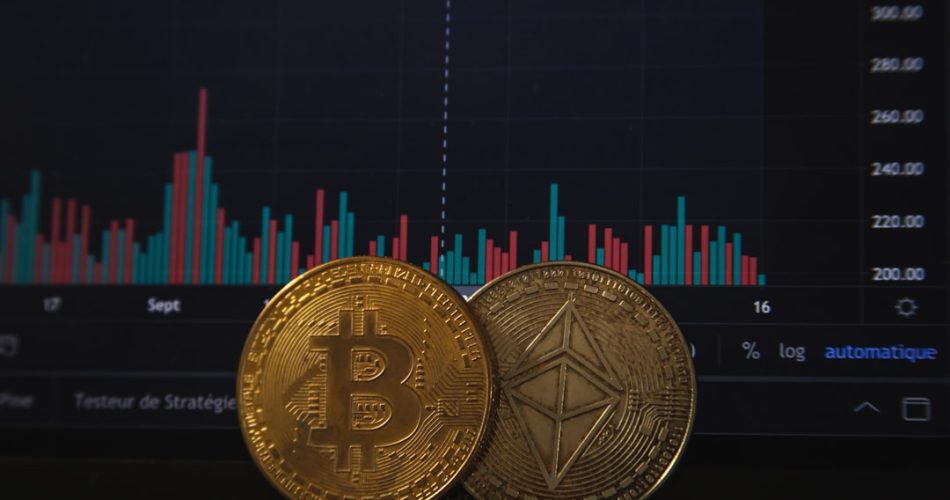
You’ve watched it happen: someone’s uncle retires off Dogecoin while a PhD economist loses three months’ salary on a token named after a cartoon frog. Meme coin pumps aren’t rational market events—they’re psychological experiments conducted at scale, exploiting cognitive vulnerabilities that evolution never prepared you for. This isn’t a morality lecture about “good” versus “bad” investments. It’s a forensic examination of the specific neurological triggers, social dynamics, and cognitive biases that transform disciplined traders into panic-buying speculators. Understanding why your brain becomes hijacked during viral pumps won’t make you immune, but it might give you a fighting chance to recognize the machinery at work before you market-buy at the top.
The Neurochemical Slot Machine: Your Brain on Green Candles
When that dog-themed token you bought for $50 suddenly spikes 300% in twelve minutes, your nucleus accumbens lights up like a Christmas tree. Neuroscientists using fMRI scans have documented something unsettling: the brain activity of someone watching their meme coin moon is virtually indistinguishable from someone snorting cocaine or pulling a slot machine lever. The reward pathways firing in your prefrontal cortex don’t differentiate between chemical highs and financial ones.
Dopamine is the culprit, but not in the way most traders assume. The neurotransmitter doesn’t flood your system when you make money—it surges in anticipation of the reward. That 15-second delay while you refresh CoinGecko, watching the price tick upward? Pure neurochemical chaos. Your brain is essentially betting on whether the next data point will confirm your thesis, creating a feedback loop that has nothing to do with rational portfolio management.
The real addiction mechanism lies in what behavioral psychologists call variable ratio reinforcement—the same schedule that makes slot machines so devastatingly effective. Consistent 2% daily gains would bore your dopamine receptors into numbness. But meme coins deliver something far more insidious: unpredictable explosive movements separated by long periods of nothing. One day flatlines, the next day your position doubles. This randomness creates stronger neural pathways than any consistent return ever could.
Your brain wasn’t designed for this. Evolution optimized you to find patterns in fruit-bearing trees, not to resist the dopaminergic assault of a Pepe coin doing a 40x in three hours. That’s why even traders who understand they’re being biochemically hijacked still can’t stop refreshing the charts at 3 AM.
FOMO Meets Herd Mentality: The Perfect Psychological Storm
When Dogecoin surged 15,000% in early 2021, something peculiar happened inside millions of brains: rational analysis simply switched off. Research consistently shows that 70-80% of retail investors base their trading decisions on crowd behavior rather than independent analysis, and nowhere is this more visible than during meme coin pumps. The combination of fear of missing out and social proof creates a feedback loop that hijacks decision-making circuits, turning otherwise cautious traders into compulsive buyers.
When Everyone’s Buying, Your Prefrontal Cortex Goes Offline
Social media platforms don’t just spread information—they weaponize it. The algorithms that govern Twitter (now X), TikTok, and Discord create echo chambers where meme coin hype amplifies exponentially. You see one post about someone turning $500 into $50,000 with PEPE coin, then three more, then twenty. Your feed becomes a highlight reel of winning trades while the silent majority of losers never posts their losses.
This concentrated exposure triggers what neuroscientists call “social proof on steroids.” Your prefrontal cortex, responsible for rational risk assessment, gets overwhelmed by the limbic system’s urgent signals: Everyone is profiting. Act now or lose forever. The brain processes this scenario identically to a gazelle watching the herd suddenly sprint—you run first, ask questions later. Survival instincts that kept our ancestors alive now drive us to market-buy tokens with dog logos at all-time highs.
Why Millionaire Stories Warp Your Risk Assessment
The availability heuristic plays a cruel trick during meme coin manias. When you can instantly recall three stories of ordinary people becoming millionaires overnight, your brain miscalculates probability. Those vivid, emotionally charged narratives feel more real and achievable than the statistical truth: over 95% of meme coin investors lose money, and 97% of the 2.4 million meme coins launched in 2023 became worthless within 30 days.
Recent success stories aren’t just memorable—they’re available in your mental database, making them seem representative of typical outcomes. Your brain treats these lottery winners as proof of probability rather than exceptions to the rule, systematically inflating your perceived odds of success while discounting the invisible graveyard of failed trades.
Tribal Warfare: How Meme Coins Weaponize Identity
When a Dogecoin holder calls Bitcoin a “boomer coin,” they’re not making a financial argument. They’re defending territory. Meme coins don’t just create investment positions—they manufacture tribes with flags, enemies, and loyalty tests that override rational risk assessment.
The mechanism is elegantly simple: communities form around shared language, inside jokes, and adversarial positioning against “the establishment” (whether that’s Bitcoin maximalists, Wall Street, or even other meme coin tribes). Within weeks of a coin’s launch, holders aren’t just financially invested—they’re psychologically embedded in an identity structure where selling becomes ideological betrayal. The classic trader’s question shifts from “What’s my exit strategy?” to “Am I a paper-handed traitor or a diamond-handed believer?”
This tribal architecture explains why meme coin communities demonstrate paradoxical resilience during crashes. Traditional assets see panic selling when prices drop 50%. Meme coins often see holders doubling down, posting loss porn as badges of honor, and aggressively recruiting new members with missionary zeal. The in-group/out-group dynamic activates the same neural pathways as political or sports allegiances—areas of the brain associated with identity defense rather than financial calculation.
Community Discord servers and Telegram channels amplify this effect through constant reinforcement. Every skeptical question gets labeled FUD (fear, uncertainty, doubt). Every critic becomes an enemy of the movement. The coin’s price performance becomes inseparable from the holder’s self-concept as an early adopter, a rebel, or a visionary who “gets it” when normies don’t. You’re not just holding a speculative token—you’re part of a revolution, and revolutions don’t capitulate at the first setback.
The Anatomy of a Pump-and-Dump: A Predictable Pattern
Every meme coin pump follows the same three-act tragedy with mechanical precision. Understanding this lifecycle won’t necessarily save you from yourself, but it might give you a fighting chance when your group chat starts flooding with rocket emojis.
Phase 1: The Silent Accumulation
Smart money accumulates positions quietly over 1-2 weeks while retail traders scroll past the project without a second glance. During this phase, you’ll notice:
- Low trading volume with gradual price appreciation (5-15%)
- Anonymous wallets systematically buying small quantities to avoid detection
- Community engagement metrics remain stable or slightly elevated
- No major influencer attention or viral content
The accumulation phase is designed to build a position without triggering algorithmic alerts or human pattern recognition. Insiders know that sudden volume spikes attract unwanted attention from both regulators and savvy traders who might front-run the pump.
Phase 2: The Viral Explosion
The coordinated attack happens over 24-72 hours with surgical precision. Influencer endorsements drop simultaneously across Twitter, TikTok, and Telegram. These coordinated posts can trigger 300-500% price spikes within hours as FOMO overwhelms rational decision-making. Retail traders see green candles and social proof converging into an irresistible psychological cocktail.
Volume explodes to 50-100x normal levels. The community chat transforms into a euphoric echo chamber where anyone questioning the fundamentals gets accused of being a “hater” or “staying poor.” This is peak emotional contagion.
Phase 3: The Brutal Reality
Distribution begins the moment retail euphoria reaches maximum density. Insiders systematically exit positions, often within hours to days of the pump’s peak. The price doesn’t crash immediately—it bleeds, creating false hope through dead cat bounces that trap additional buyers.
By the time retail traders recognize the pattern, liquidity has evaporated. The same influencers have moved on to the next opportunity, their promotional posts quietly deleted.
Cognitive Biases That Keep You Holding the Bag
Your brain wasn’t designed for meme coin trading. Research shows that traders who’ve already lost 30% on a position are 2.5 times more likely to continue holding than those sitting on equivalent gains are to take profits. That’s the sunk cost fallacy doing its ugly work—transforming rational actors into bag holders who equate “selling at a loss” with “admitting defeat.”
The endowment effect compounds this disaster. Once you own those tokens, your brain automatically inflates their value by 40-60% beyond what an objective observer would pay. You’ve joined the Telegram group, changed your Twitter avatar to the coin’s logo, and defended it against “FUD” in the comments. That psychological ownership creates an irrational attachment that has nothing to do with chart patterns or market structure.
Loss aversion makes the exit even harder. The psychological pain of realizing a loss registers roughly twice as intensely as the pleasure from an equivalent gain. This asymmetry keeps you frozen, watching your $2,000 bag bleed to $500 while you rationalize that “it’s only a loss if I sell.” Meanwhile, confirmation bias has you filtering reality through a distorted lens:
- You obsessively refresh the subreddit where bulls post rocket emojis
- You dismiss wallet outflow data as “whales trying to scare retail”
- You remember the one guy who held Shiba Inu through a 70% drawdown and eventually 10x’d
- You ignore the 97% of meme coins that became worthless within 30 days of launch
This cognitive cocktail explains why intelligent people hold obvious losers past the point of no return. Your brain is running software optimized for tribal survival on the savanna, not for navigating speculative asset bubbles fueled by anonymous developers and dog-themed marketing.
Scarcity Theater and Artificial Urgency: The Amygdala Hijack
The countdown timer on a meme coin presale isn’t measuring time—it’s weaponizing your neurobiology. When you see “ONLY 2 HOURS LEFT” plastered across a Telegram group with 50,000 members, your amygdala activates before your prefrontal cortex can conduct a single rational calculation. This isn’t accidental. Meme coin marketers have reverse-engineered the brain’s threat detection system, exploiting the same neural pathways that once helped your ancestors avoid predators.
Scarcity messaging triggers a fight-or-flight response that fundamentally alters decision-making architecture. The amygdala, your brain’s alarm system, interprets “limited supply” signals as survival-level threats. Within milliseconds, cortisol floods your system, heart rate spikes, and analytical thinking degrades. Your prefrontal cortex—responsible for risk assessment, delayed gratification, and logical analysis—gets overridden by limbic urgency. This neurological hijacking explains why intelligent traders make catastrophically poor decisions during viral pump events, investing life savings into tokens with zero utility based solely on a ticking clock.
The genius of artificial urgency lies in its temporal manipulation. Phrases like “last chance,” “final whitelist spots,” or “burns in 24 hours” create psychological pressure that forces premature commitment. Your brain interprets these deadlines as real constraints rather than manufactured theatrical props. This fear-based messaging short-circuits normal risk assessment protocols, replacing methodical due diligence with panic-driven clicking. The result? You’re buying before thinking, which is precisely the neurological state these campaigns engineer.
Trading the Psychology, Not the Coin: Unconventional Takeaways
The moment you reframe meme coin pumps as predictable psychological events rather than investment opportunities, you unlock an entirely different playbook. You’re not betting on a dog-themed token’s technological superiority. You’re trading crowd behavior patterns that have repeated since the Dutch tulip mania of 1637.
Here’s the counterintuitive framework: treat these pumps as short-term speculative plays on human irrationality, not holdings you’d explain to your accountant.
Before you enter any position:
- Write down your exact exit price or percentage gain target. Not mentally—physically type it into a notes app with a timestamp. Your future FOMO-addled brain will try to negotiate with you when the chart goes parabolic.
- Calculate your position size as “entertainment budget” money. If losing this amount would affect your rent, groceries, or sleep quality, you’re already trading emotionally rather than mechanically.
- Set a hard stop-loss at 20-30% below entry. Meme coins that drop 50% in an hour aren’t “dips to buy”—they’re exit wounds.
Monitor social sentiment backwards. When your barber starts asking about the hot new dog coin, that’s not confirmation to buy more—it’s the signal that late-stage retail money has arrived and smart money is preparing exit liquidity. Track Reddit mention volume, Twitter trending metrics, and Google search spikes not as buy signals but as crowd temperature gauges. Peak euphoria precedes peak price by hours, not days.
The brutal truth: you’re not outsmarting the market in these trades. You’re accepting that you have a FOMO vulnerability, managing it with position sizing, and trying to exit before the greater fool supply runs dry. Most traders won’t survive this strategy because they’ll break their own rules the moment a 300% gain becomes a 150% gain. Your edge isn’t analysis—it’s self-control.
The Real Edge: Knowing When You’re Being Played
Here’s what separates meme coin pumps from every other market phenomenon: they’re not primarily about crypto technology, tokenomics, or even speculation. They’re about human nature weaponized at internet speed. The neurological machinery, tribal dynamics, and cognitive vulnerabilities we’ve dissected aren’t bugs in your psychology—they’re features that served your ancestors well for millennia. The problem is that evolution optimized you for small-tribe survival, not for resisting coordinated psychological attacks launched by anonymous developers with Photoshopped roadmaps.
Understanding these mechanisms won’t make you immune. You’ll still feel the dopamine surge when green candles appear. You’ll still experience FOMO when your Twitter feed floods with gain porn. Your amygdala will still scream at artificial scarcity timers. But awareness creates a critical half-second delay—a momentary gap where your prefrontal cortex can interrupt the hijacking and ask: “Am I making a calculated speculation, or is my brain being played like a fiddle?”
The uncomfortable truth is that the real edge in meme coin markets isn’t predicting which dog-themed token pumps next. It’s recognizing the exact moment when your psychology becomes your enemy. Most traders lose money not because they lack technical analysis skills, but because they don’t understand they’re fighting their own neurobiology. Meme coins are less about cryptocurrency and more about human nature at scale—a massive, ongoing psychology experiment where the house always knows more about you than you know about yourself.
Your move: decide whether you’re studying the experiment or becoming part of it.

